Vehicles Manager
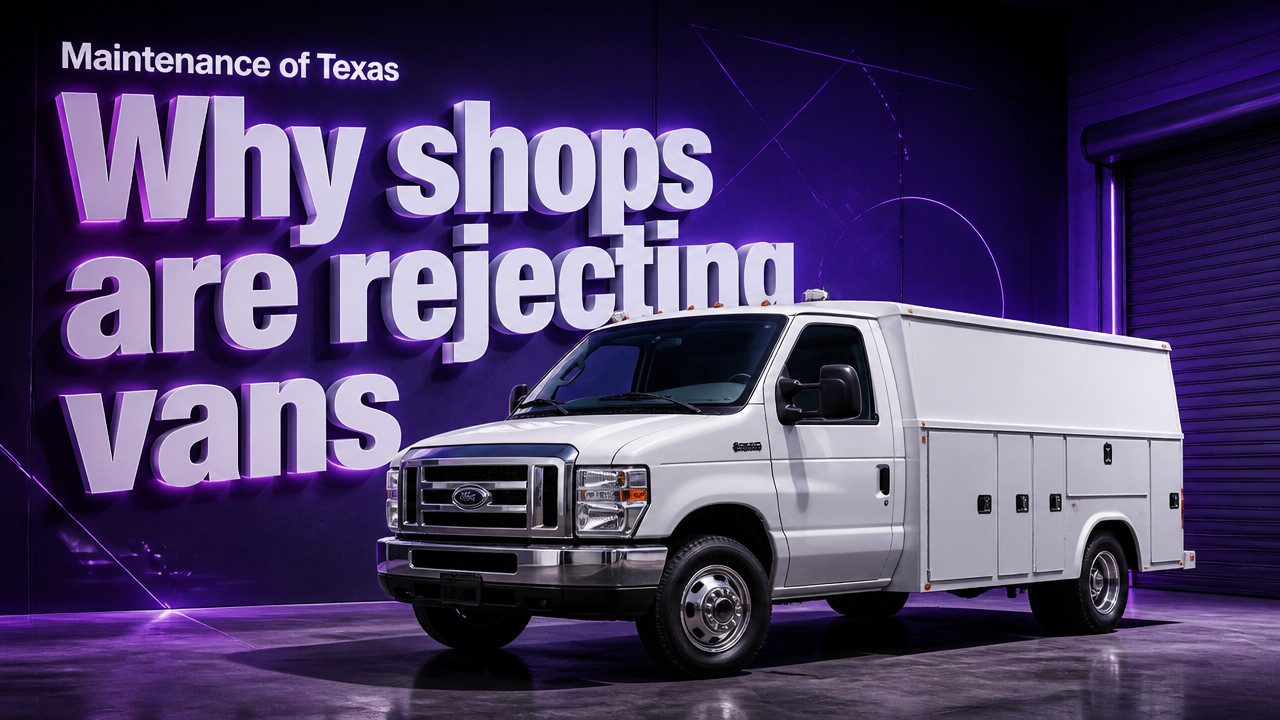
Fleet Maintenance of Texas: Stop Sending Vans Marked Shop
Fleet maintenance of Texas fails at 6:40 a.m., not in the shop. The sheet says a truck is ready, the chat says it's in the bay, and dispatch sends it anyway. The fix is not GPS or an ERP. It is one row per vehicle with three states: ready, shop, next service. Whether you run a Houston contractor yard, a Dallas rental lot or a city public works bureau, the board must agree with the shop before the keys leave the hook.
Quick Answer: Texas Fleets Need One Morning Row Per Vehicle, Not Another Tracker
The solution is a live readiness board with one row per vehicle and three possible states: ready, shop, or next service priced at $2.99 per vehicle with no GPS, no hardware, and no multi-year contract.
Small Texas contractor and rental fleets do not need another tracking device. They need the yard to agree on which vehicles can leave. The Vehicles Manager readiness board replaces the spreadsheet and WhatsApp fight with a single source of truth that every stakeholder sees in real time.

- Ready: Vehicle is operational, inspected, and cleared for dispatch this morning.
- Shop: Vehicle is in the bay, under repair, or waiting on parts cannot leave.
- Next Service: Vehicle is operational but due for preventive maintenance soon.
Why the Texas Heat Makes a Wrong 6:00 A.M. Status Expensive
A Dallas contractor yard wakes up at 5:45 a.m. The yard manager marks the F-250 "ready" on the shared spreadsheet at 6:00. The night shift mechanic marked it "shop" in the WhatsApp thread at 11 p.m. Dispatch checks the spreadsheet, sees ready, and sends the van to a crew in Irving. By 7:30 a.m., the crew is stranded in 98-degree heat because the transmission failed. The job is delayed, the customer is furious, and the shop just got an emergency call that pulls resources from scheduled work.
This happens daily because the spreadsheet and the chat do not match. The municipal fleet board per department solves this by making the status visible to everyone at once, before the keys move.
"Excel is killing me. Everything is in Excel plus WhatsApp. The sheet is unmanageable."
The problem compounds when the person who owns the sheet is out. If the yard manager is on vacation, nobody knows which units can leave. The morning board becomes a guessing game. Dispatch sends vehicles that should be in shop. Mechanics get pulled off scheduled work to handle emergencies that a live board would have prevented.
Texas fleet sizes are growing fast. According to Irvingtx, a major Texas department reported 1,510 vehicles and equipment as of July 2026, up from 1,165 in 2016. More vehicles mean more moving parts. A single spreadsheet cannot scale with that growth.
Late Preventive Maintenance Is a Visibility Problem, Not a Discipline Problem
Shops are doing the work. The problem is timing. A vehicle goes in for an oil change, but the service date never makes it back to the morning board. The next time someone checks, the van is 3,000 miles overdue. This happens because the service date lives in four different places, and none of them talk to each other.
- The spreadsheet: Updated by the yard manager, but only when they remember.
- The WhatsApp thread: Buried under 47 other messages by noon.
- Mechanic memory: Reliable until the mechanic goes on vacation or changes roles.
- Contractor thread: The outside shop has a record, but dispatch cannot see it.
According to Txdmv, a February 2025 audit of the Texas Department of Motor Vehicles revealed that while preventive maintenance was performed on fleet vehicles, the timing often slipped due to tracking gaps. The work happened, but the coordination failed.
The contractor fleet board puts the next service date directly on the vehicle row. When the yard manager looks at the morning board, they see ready, shop, or a service due date. No cross-referencing. No phone calls to the shop.
GPS Tells You Where the Van Is. It Cannot Tell You If It May Leave.
Telematics companies sell visibility. They show where the truck is, how fast it's going, and whether the driver hit the brakes too hard. What they do not show is whether the truck is cleared for dispatch. A GPS ping cannot tell you that the brake lines were replaced yesterday. It cannot tell you that the inspection sticker expires next week.
The gap is not a fuel log. It is one morning row per vehicle that answers a single question: can this unit leave the yard? A rental fleet lot board answers that question before the customer shows up.
| Feature | Excel + WhatsApp | GPS Telematics | Vehicles Manager |
|---|---|---|---|
| Real-time status | No stale by 6:30 a.m. | Location only | Yes live board |
| Shop visibility | Conflicting messages | No | Yes marked shop |
| Next service date | Buried in chat | Separate module | On the vehicle row |
| Hardware required | No | Yes device install | No |
| Contract length | None | Multi-year typical | Month-to-month |
| Price per vehicle | Free (labor cost high) | $20–40/month | $2.99/month |
This is not for everyone. A one-car owner does not need a readiness board. A fleet that needs route optimization or driver tracking should buy telematics. A yard that wants a full ERP with fuel logs, parts inventory, and work orders should look elsewhere. This is for the contractor, rental lot, or city yard that runs on a spreadsheet and needs it to stop breaking at 6:00 a.m.
How to Put Your Texas Yard on a Live Board in One Morning
Setup is not a database project. It does not require an IT team or a multi-day installation. The board is live after one 15-minute call, and the first month is free. Here is how it works:
- Paste your vehicle list: The spreadsheet becomes the board. No manual data entry for every unit.
- Set the initial states: Each vehicle starts as ready, shop, or next service based on current status.
- Add shop users: The mechanic marks vehicles in and out of the bay directly.
- Add dispatch users: Dispatch sees the live board before sending crews out.
- Log service dates: Next service goes on the vehicle row, visible to everyone.
The trades and service fleets that switch to this system often do it on a Thursday and go live Monday morning. No training sessions. No manual. The yard manager already knows how a board works. They just need the board to match reality.
What $2.99 a Vehicle Looks Like Next to a Statewide Per-Vehicle Fee Model
Texas funds statewide fleet maintenance through a per-vehicle fee model. According to Texas, the state uses a per-vehicle fee paid by agencies to fund fleet maintenance operations. This approach aligns cost with usage. Agencies pay based on the number of vehicles they operate, not a flat rate.
The same logic applies to small contractor and rental fleets. A per-vehicle model scales with the yard. You pay for what you have. You do not pay for features you will not use. The Vehicles Manager pricing follows this principle: $2.99 per vehicle per month, with no multi-year contract.
| Fleet Size | Monthly Cost | Annual Cost |
|---|---|---|
| 10 vehicles | $29.90 | $358.80 |
| 25 vehicles | $74.75 | $897.00 |
| 60 vehicles | $179.40 | $2,152.80 |
There is no setup fee. No hardware to install. No minimum contract length. The first month is free, which gives the yard time to see if the board actually solves the 6:00 a.m. conflict. If it does not work, the yard cancels before paying a cent.
Key Takeaways: The Five Rules of a Texas Yard That Never Dispatches a Shop Van
A Texas yard that stops sending vans already marked shop follows five rules. These rules do not require GPS, an ERP, or a dispatcher with a decade of experience. They require a board that matches the bay.
- One row per vehicle: Every vehicle has a single status that everyone sees.
- Three states only: Ready, shop, next service. No complex menus. No confusion.
- The board is live: When the mechanic marks a van shop, dispatch sees it before 6:00 a.m.
- Service dates on the vehicle: Preventive maintenance does not get lost in a thread.
- Owner-approved board: The person who pays decides the system, and the yard uses it.
The landscaping crews fleet board follows the same rules. One row. Three states. No van leaves marked shop.
FAQ: Fleet Maintenance of Texas, Answered Like a Yard Manager Would
We already have a spreadsheet. Why would we switch?
Because the spreadsheet is stale by 6:15 a.m. The sheet does not update when the night mechanic marks a van shop. A live board updates immediately, so dispatch sees the same status as the shop. The cost is $2.99 per vehicle. The first month is free. If the board does not solve the morning conflict, you cancel and go back to the spreadsheet.
Does this include GPS tracking?
No. This is a readiness board, not a telematics platform. It answers whether a vehicle can leave the yard, not where it is driving. Fleets that need GPS should buy GPS. Fleets that need to stop sending shop vans should use a readiness board.
Do you require a multi-year contract?
No contract. Month-to-month. Cancel anytime. The first month is free. There is no hardware to install, so there is nothing to return. You start, you use it, and you keep paying only if it works.
How long does setup take?
15 minutes. Paste your vehicle list on a call, set the initial states, and the board is live. No IT team. No database project. The yard manager runs the board the same way they run the spreadsheet, but the board updates when the shop marks a vehicle.
Is this only for contractors, or can a movers fleet board use it too?
Any fleet with 10–60 vehicles that runs on a spreadsheet. Moving companies, rental lots, city yards, landscaping crews, and electrical contractors all use the same system. If you have a morning board and the sheet keeps disagreeing with the shop, this is for you.
Thu Oct 22 · Editorial Team