Vehicles Manager
Fleet Maintenance Tracking vs GPS: Which Says a Van Can Go
A vehicle can be exactly where you expect it and still not be safe to send out. That is the difference between fleet maintenance tracking and GPS tracking: GPS vehicle tracking shows where a unit is, while maintenance tracking shows its vehicle readiness status, meaning whether it is fit to leave the yard. The trade-off is what each one can tell dispatch at 6 a.m. A map cannot show an open repair, a missed inspection or a van still sitting in the shop, but a maintenance record cannot show you where a driver is right now. For a small fleet, the decision comes down to which question costs you more when you get it wrong: where is the vehicle, or should it be going anywhere at all?
What Is the Difference Between Fleet Maintenance Tracking and GPS Tracking?
The core distinction comes down to the question each system answers: GPS tells you where the vehicle is, while maintenance tracking tells you if it is fit to operate. According to Safee, fleet maintenance tracking and GPS tracking are two distinct but complementary systems used in fleet management, each serving different purposes and providing unique insights. One deals with location and movement, the other with condition and permission to depart.
- Maintenance tracking shows whether a vehicle is safe and cleared for dispatch, regardless of its location.
- GPS tracking pinpoints real-time location but cannot confirm if a unit has passed inspection or completed repairs.
- Vehicle readiness status depends on service records, not map coordinates or geofence alerts.
- Dispatch errors often happen when location data is confused with operational clearance.
Small fleet operators sometimes assume that knowing where every truck is means knowing the state of every truck. That assumption breaks down fast. A van can appear on a map as "present in the yard" while simultaneously sitting on a lift with its transmission in pieces. The map does not know the truck is not going anywhere today.
The reverse is also true. A maintenance board can show a vehicle as ready, with a fresh oil change and passed inspection, but have no way of telling you the driver took it to the wrong job site or deviated from the route. Each system has a blind spot the other covers, which is why some larger operations use both. For a small fleet making a choice, the question is which blind spot causes more damage to your morning.
What Fleet Maintenance Tracking Actually Covers
Fleet maintenance tracking centers on one thing: keeping vehicles operational and roadworthy. It records what has been done, what needs to be done, and what state the vehicle is in right now. The focus is upkeep. According to Simplyfleet, maintenance tracking is centered on the upkeep and servicing of vehicles, involving scheduling preventive maintenance, tracking repair histories, and monitoring inspection status. It is the record of whether a unit is fit to work.

For a small yard, the useful core of maintenance tracking is simpler than most software vendors make it sound. The board needs to show three states and nothing more: ready, shop, and next service. A vehicle marked "ready" can leave. A vehicle marked "shop" cannot. A vehicle approaching its next service date needs scheduling. That is the entire decision tree for morning dispatch.
- Service schedules tracks oil changes, tire rotations, and inspections with due dates and mileage triggers.
- Repair history logs every breakdown, part replacement, and shop visit for each unit.
- Inspection records shows passed or failed DOT inspections, daily walkaround checks, and safety certifications.
- Current status marks each vehicle as ready for dispatch, in the shop, or awaiting service.
- Next service due flags upcoming maintenance so repairs can be planned around job schedules.
The value is not in the data itself but in what the data prevents. When the morning board is accurate, dispatch does not send a van that is in the shop. The mechanic does not get interrupted by a driver demanding keys to a truck that is on a lift. The owner does not get a call at 7 a.m. asking which vehicles can leave because the person who owns the spreadsheet is out sick. A a live readiness board for small fleets replaces that single point of failure.
What GPS Tracking Tells You (and What It Can't)
GPS tracking answers a different question: where is the vehicle right now, and where has it been? The system uses installed hardware and satellite data to show location in real time, route history, speed, and idle time. It is a powerful tool for route efficiency, driver safety, and asset security. According to Gpsbob, fleet maintenance tracking and GPS tracking are two distinct but complementary systems used in fleet management, each serving different purposes and providing unique insights. GPS is about movement and position.
What GPS cannot tell you is whether the truck is allowed to leave. A vehicle can show perfectly on a map parked in the yard, engine off, no alerts while sitting in the shop queue with a failed brake inspection. The map shows location, not condition. The tracking system sees the vehicle where it is supposed to be, but it has no idea the vehicle cannot safely leave that spot.
This gap is where small fleets get into trouble. If the morning dispatch process relies on GPS to decide which vehicles go out, the answer will always be "all of them" because the map shows every truck in the yard. The map does not show the one with the blown transmission or the one waiting on a brake line. That information lives in the shop's repair log or, more often, in the mechanic's head.
GPS also lacks visibility into scheduled downtime. A truck can be parked safely in the lot but flagged for service tomorrow. The map looks the same as every other ready vehicle. Without a maintenance record attached, dispatch assumes availability based on presence, not permission. That assumption leads to assigning jobs to vehicles that cannot perform them.
Side by Side: Maintenance Tracking vs GPS Tracking
The difference between these systems is not just about what data they collect but about who uses that data and when. Maintenance tracking answers the morning question: which vehicles can leave? GPS answers the day-of question: where did they go, and are they on schedule? The hardware requirement alone separates them. GPS demands an installed device and a data plan. Maintenance tracking needs no hardware in the vehicle at all just a record of what state the unit is in.
| Attribute | Maintenance Tracking | GPS Tracking |
|---|---|---|
| Question answered | Is this vehicle fit to leave? | Where is this vehicle right now? |
| Data focus | Service history, repairs, inspections, status | Location, route, speed, idle time, geofence |
| Hardware required | None | Installed device and data plan |
| Main user | Yard manager, shop, dispatcher | Dispatch, safety manager, owner |
| Morning use | Decides which units can dispatch | Confirms vehicles left the yard |
| Contract type | Often month-to-month or per-vehicle pricing | Often multi-year with hardware lease |
The table makes it clear: these are not competing systems solving the same problem. They address different failures. A yard that loses vehicles to theft or unauthorized use needs GPS. A yard that sends out vans with open repair orders or missed inspections needs maintenance tracking. Some operations need both, but many small fleets have a readiness problem long before they have a location problem.
When a Small Fleet Needs One, the Other, or Both
Small yards running on a spreadsheet and a chat thread usually have a readiness gap before they have a location gap. The evidence is in the morning chaos. Two people mark the same van with two different statuses. The dispatcher sends a truck the mechanic has flagged for repair. A crew stands around waiting because the vehicle assigned to them is still in the shop. These are not location failures. They are status failures.
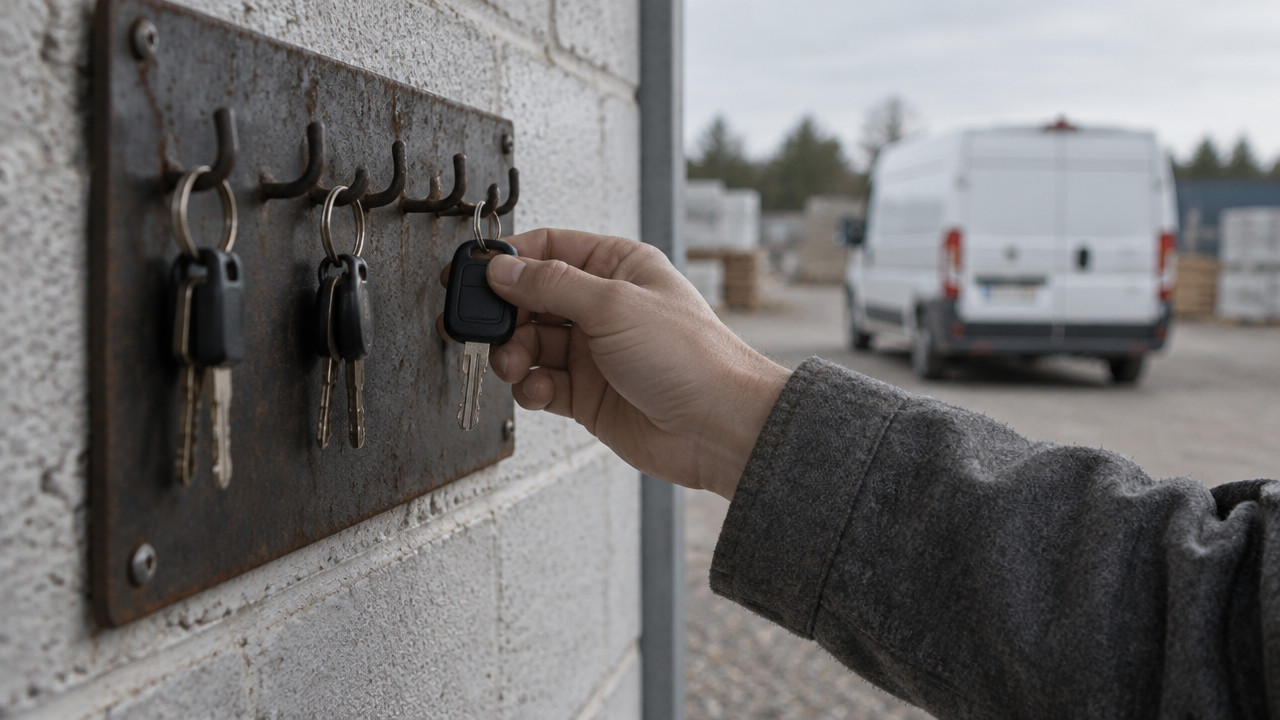
For contractor fleets and rental operations, the readiness gap shows up first. A van marked "shop" still leaves the yard because the spreadsheet and the WhatsApp thread disagree. The booking calendar says a car is available, but the key hook is empty. The person who knows the truth is not answering their phone. These operations need a single source of truth for vehicle status before they need pin-point location accuracy.
- Identify your morning failure point. If dispatch sends a vehicle that cannot perform the job, the gap is readiness. If vehicles disappear or deviate without notice, the gap is location.
- Audit your current tools. If you are paying for GPS telematics but still running status on a whiteboard, the telematics are not solving your dispatch problem.
- Check your contract exposure. GPS systems often require multi-year agreements. Maintenance tracking is typically month-to-month with no hardware lock-in.
- Test with a pilot. Run a status board alongside your current process for two weeks. See which system catches the errors that cost you time and money.
A fleet that already has telematics may still need a maintenance board. The GPS tells the safety manager where the driver went. It does not tell the yard manager whether the truck can leave tomorrow. Those are separate decisions made by separate people at separate times. The money spent on location data does not solve the readiness problem.
Rental lots face a particular risk. A customer expects a vehicle at a specific time. If the key is on the hook but the car is in the shop, the reservation collapses. No amount of GPS data fixes that failure. The booking system needs to see maintenance status, not just inventory. When the calendar and the key hook disagree, the customer walks away angry and the booking is lost.
Frequently Asked Questions
Can GPS tracking replace fleet maintenance tracking?
No. GPS tracking provides location and movement data but cannot confirm a vehicle's mechanical condition or inspection status. A truck can appear available on the map while sitting in the shop or flagged for repair. The two systems answer different questions. Location data does not equal permission to dispatch.
We already pay for telematics. Do we still need a maintenance board?
Yes, if you send out vehicles that are in the shop. Telematics show where the truck is, not whether it is fit to leave. Many fleets pay for GPS but still run status on a spreadsheet or whiteboard. The maintenance board catches the errors that GPS misses at morning dispatch. The systems serve different users in the operation.
Does maintenance tracking work for a rental lot where cars are booked daily?
Yes, and it prevents overbooking. The maintenance status should feed directly into the reservation system so a car in the shop never shows as available. For rental fleets, the booking calendar must match the key hook. When the repair log and the reservation system disagree, the customer shows up and the car is not there. That failure costs real money in refunds and reputation.
How can a city fleet with several departments keep each department's vehicles separate?
Use a board that filters by department. Public works, parks, and inspections each see only their own units. The morning dispatcher for each department checks readiness for their vehicles without wading through everyone else's list. A municipal fleet board prevents one department from borrowing a vehicle that another department already flagged for service.
Is a spreadsheet enough for a fleet of 10 to 60 vehicles?
Barely, and only if one person owns it. The moment that person is out, the yard goes blind. Two people update the same file and the versions diverge. A spreadsheet works until it does not, and the failure usually happens on the morning when the person who knows the truth is not there to answer the phone.
Do I need hardware installed to track maintenance status?
No hardware required. Maintenance tracking is a record of vehicle state, not a device in the truck. The status comes from the shop, the mechanic, and the yard manager marking the unit ready, in shop, or due for service. A GPS device adds location data but cannot mark a vehicle ready. That decision is made by people, not hardware.
Thu Nov 19 · Editorial Team