Vehicles Manager
What is a Fleet Mechanic? a Technician Who Protects Uptime
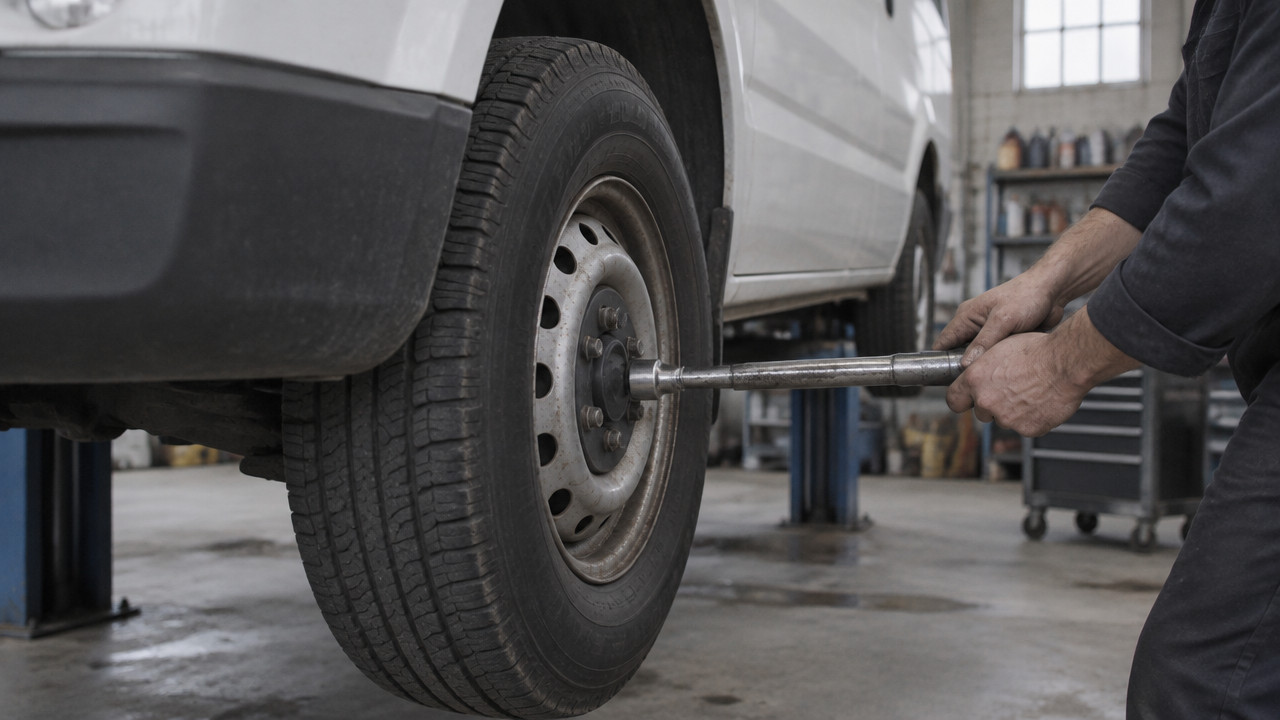
A fleet mechanic is a technician who keeps a company's vehicles safe, legal and ready to work, rather than fixing one customer's car. The fleet mechanic job description centers on preventive maintenance and vehicle inspection, so the measure of good work is how many vehicles are cleared to go out each morning, not how many repairs were billed. That is the main difference from a regular auto mechanic, and it is why a fleet maintenance technician needs to know each unit's history, due dates and current status. For a small fleet, the decision is whether to hire one, contract one or lean on an outside shop, and whichever you choose, the mechanic's work only pays off if dispatch can see which vehicles are actually allowed to leave.
What Is a Fleet Mechanic? The Short Answer
A fleet mechanic is a technician who keeps a company's vehicles safe, legal and ready to work, rather than fixing one customer's car. This role exists to protect fleet uptime, meaning the mechanic's priority is getting units out the gate on schedule. The work is tied to service intervals, inspection deadlines and the operational needs of the business that owns the vehicles.
- A fleet mechanic works on a set list of company vehicles, not walk-in customer cars.
- The job focuses on preventive maintenance and vehicle inspection to prevent breakdowns.
- Success is measured by how many units are road-ready at dispatch time each morning.
- The mechanic tracks service history, due dates and compliance for each assigned vehicle.
What a Fleet Mechanic Does Day to Day
The daily work of a fleet maintenance technician looks different from a repair shop that waits for customers to arrive. A fleet mechanic starts the day with a list of units due for service, vehicles flagged from the previous day's inspection, and specific repair orders from the shop manager. The schedule is driven by maintenance intervals and operational needs, not by who calls in with a broken car that morning. This means the mechanic must balance planned work with unexpected breakdowns that pull vehicles off the road.
In a small fleet operation, the mechanic often handles everything from oil changes to brake jobs, while larger operations may have specialists. For contractor fleets, the mechanic might also check that utility bodies, lift gates and other upfit equipment are functioning. The day is a mix of hands-on repair, documentation and communication with the yard or dispatch. A van that fails inspection needs to be marked correctly, so it does not get assigned to a job. That communication loop is as important as the repair itself.
- Perform scheduled preventive maintenance such as oil changes, filter replacements and fluid checks.
- Conduct vehicle inspections to catch wear, damage or compliance issues before they cause downtime.
- Diagnose and repair mechanical, electrical and hydraulic problems across the fleet.
- Document all work completed, including parts used, labor hours and next-service due dates.
- Coordinate with dispatch or yard management to confirm which units are cleared for operation.
- Maintain shop tools and equipment, ensuring the workspace is safe and organized for the next job.
Fleet Mechanic vs. Regular Auto Mechanic
Understanding the difference between a fleet mechanic and a regular auto mechanic comes down to who owns the vehicles and what defines a successful outcome. A general auto repair mechanic serves many unrelated customers. Each repair is a standalone job, and the goal is to fix the immediate problem and satisfy that one customer. The mechanic may never see that car again, and there is no long-term service plan for the vehicle.

A fleet mechanic, by contrast, works for the company that owns the vehicles. The goal is not just to fix a problem, but to keep the entire fleet running at the lowest cost and highest availability over time. This means tracking each unit's history, planning service around operational schedules and catching small issues before they become expensive breakdowns. On rental lots, for example, the mechanic checks vehicles between rentals, logs damage and ensures the next customer gets a unit that meets safety and appearance standards. The work is repeatable, documented and tied to the business's ability to generate revenue from those assets.
| Aspect | Fleet Mechanic | Auto Repair Mechanic |
|---|---|---|
| Vehicles Served | Known set of company-owned units | Many unrelated customer vehicles |
| Primary Goal | Maximize fleet uptime and availability | Complete each repair job to customer satisfaction |
| Schedule Driver | Service intervals and inspection deadlines | Customer appointments and walk-in demand |
| Records Kept | Full service history per unit, compliance logs | Repair order per visit, limited long-term tracking |
Skills, Pay and Demand for Fleet Mechanics
A fleet maintenance technician needs a mix of diagnostic ability, discipline with documentation and a clear understanding of how downtime affects the business. The technical skills are similar to any mechanic's foundation: engine repair, electrical systems, brakes, hydraulics and increasingly, onboard diagnostics. But the fleet environment adds a layer of record-keeping and planning. The mechanic must know when each vehicle is due for service, what work has already been done and what problems can wait versus what must be fixed immediately. This judgment protects the fleet from unnecessary downtime while controlling maintenance costs.
The demand for skilled fleet mechanics remains strong. The commercial vehicle fleet maintenance services market is growing, valued at USD 125.6 billion in 2025 and projected to reach USD 234.2 billion by 2035, indicating strong demand for technicians who can keep these fleets operational, according to Gminsights.
Pay reflects that demand and the specialized nature of the work. The average salary for a Fleet Mechanic is $96,712 per year, with a typical pay range from $74,079 at the lower end to higher compensation for experienced technicians or those with specialized certifications, according to recent data from Glassdoor. However, the industry faces a challenge. Fleet operators are facing a significant technician shortage, with ATA's Technology & Maintenance Council identifying it as the number two maintenance concern in their annual survey, as reported by Gpstrackingamerica.
For owners of small trades businesses, this shortage means competing for talent in a tight market. Offering competitive pay, consistent hours and a well-organized shop can help attract and retain a good fleet mechanic.
- Diagnostic skills: Ability to read diagnostic codes, troubleshoot electrical and mechanical systems, and identify root causes quickly.
- Inspection discipline: Thorough approach to vehicle inspection, catching wear and safety issues before they cause failures.
- Record-keeping: Accurate documentation of all work, including parts, labor and next service due dates.
- Time management: Balancing scheduled preventive maintenance with unexpected repairs and operational deadlines.
- Communication: Clear updates to dispatch or management on vehicle status, especially when a unit is not ready to leave.
How Small Fleets Work With a Fleet Mechanic
Small fleets of 10 to 60 vehicles face a practical question: hire an in-house mechanic, contract with a local shop or use a mix of both. The right choice depends on workload, budget and how critical uptime is to the business. A fleet with heavy daily use, such as a delivery or contractor operation, may benefit from an in-house mechanic who knows every unit and can respond immediately when a vehicle breaks down on site. A smaller fleet or one with lighter use might rely on an outside shop for most repairs, doing only basic checks in-house.
Whichever approach you choose, the mechanic's value depends on one thing: the shop status must reach dispatch before the morning roll-out. If a mechanic marks a van "in shop" on a whiteboard or in a personal notebook, but dispatch is working from yesterday's spreadsheet, that van gets assigned to a job. The result is a missed job, an angry customer and a mechanic who has to explain why their work did not matter. The gap is not the repair itself. The gap is the communication loop between the shop and the people who send vehicles out.
A small fleet can fix this with a simple process that connects shop status to the morning board. The goal is a live readiness board that shows one status per vehicle: ready, shop or due for service. The mechanic updates that status when work begins and when it ends, so dispatch sees the real picture before sending anyone out.
- Establish a single status system: Use one board or list that both the shop and dispatch check, not separate spreadsheets or chat threads.
- Set a cut-off time: The mechanic updates status for all vehicles by a set time each morning, such as 06:00, before drivers arrive.
- Require shop-to-dispatch confirmation: Any vehicle moved to "shop" status during the day gets flagged to dispatch immediately, not at the end of the shift.
- Review the board daily: The yard manager or owner checks the status list each morning against the job schedule, so no vehicle marked "shop" is assigned.
Fleet Mechanic FAQs
Do you need a diesel background to become a fleet mechanic?
Not always, but it helps. Many fleet vehicles, especially in contractor and delivery operations, run on gasoline or alternative fuels. However, municipal fleets and long-haul trucking operations often rely heavily on diesel engines. A diesel technician background opens more opportunities in those sectors. The core mechanical skills transfer, but certification in diesel systems can increase pay and employability for larger or heavier fleets.
Is a fleet mechanic the same as a fleet manager?
No. A fleet mechanic focuses on maintenance, repair and the technical condition of vehicles. A fleet manager oversees the entire operation: acquisition, disposal, licensing, insurance, routing and sometimes driver management. In small fleets, one person may wear both hats, but the roles are distinct. The mechanic deals with what is broken and what needs service; the manager deals with what the fleet costs and how it supports the business.
Can a small fleet of 10 to 60 vehicles justify an in-house fleet mechanic?
It depends on workload and downtime cost. A small fleet with high daily use, frequent service needs and expensive downtime may save money with an in-house mechanic who can respond immediately. A fleet with lighter use or low downtime cost might do better with a contracted shop. The break-even point often lands around 20 to 30 vehicles with regular maintenance, but the real calculation is how much an unexpected breakdown costs in lost revenue.
What should a fleet mechanic record after each repair?
The minimum includes: vehicle ID, date, work performed, parts replaced, labor hours and next service due. This record becomes the service history for that unit. Without it, the next mechanic has no way to know what was done or when. Good records also support warranty claims, resale value and compliance audits if the fleet is inspected by regulators.
How does a mechanic tell dispatch a vehicle is not ready to leave?
Through a shared status system. The mechanic marks the vehicle "shop" or "hold" on the same board dispatch uses to assign jobs. If the mechanic updates a personal list and dispatch works from a separate spreadsheet, the vehicle will still get sent out. The update must happen in the one place both parties check, and it must happen before the morning roll-out. That is why a live readiness board, not a chat thread or a saved file, is the right tool for the task.
Does a municipal or shuttle fleet use mechanics differently from a contractor fleet?
The core work is similar, but the schedule differs. Municipal and shuttle fleets often run on fixed routes with predictable hours, so maintenance can be scheduled around off-peak times. Contractor fleets face more variable demand, with heavy use during busy seasons and little tolerance for downtime during those periods. The mechanic in a municipal setting may also handle more specialized equipment, such as snowplows or sweepers, while a contractor fleet mechanic focuses on keeping work trucks and vans on the road.
Wed Nov 18 · Editorial Team