Vehicles Manager
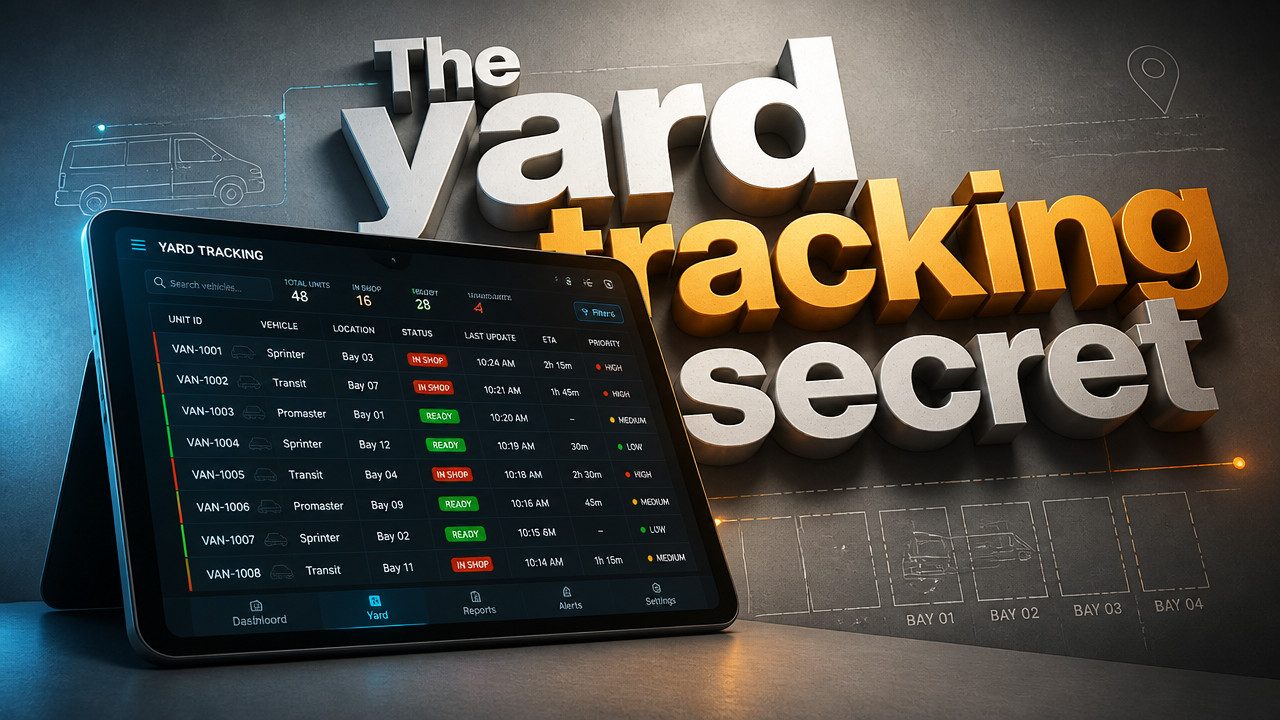
How Yard Managers Track Vans in Shop Versus Ready
Most small fleet yards still run the morning board from a spreadsheet and a WhatsApp thread. When two people mark the same van "shop" and "ready" at 06:00, dispatch sends it anyway because the last saved file and the chat do not match. Yard managers need one source of truth that shows three states only: ready, shop, or next service due. The answer is not GPS it is a live status board that replaces the spreadsheet fight and stops a van already marked shop from leaving the lot.
Quick Answer: Three Methods Yard Managers Use Right Now
Yard managers tracking which vans are in the shop versus ready typically rely on one of three approaches. The oldest method is the physical whiteboard in the dispatch office, where someone manually writes vehicle status each morning. The second method, now dominant among small contractor and rental fleets, combines an Excel spreadsheet with a WhatsApp thread for real-time updates. The third and most reliable option is a fleet readiness tracking system a digital board that syncs instantly across phones and desktops.
GPS does not solve this problem. A GPS tracker tells you where a van is located, not whether it has clearance to leave the yard. A van can show "on lot" while the transmission sits on the shop floor. The vehicle availability status gap is not about location it is about operational permission. What yard managers need is a digital readiness board that shows one row per vehicle and three states: ready, shop, next service.

- Whiteboard: Visible to people in the office only, wiped clean daily, no access from the yard or field.
- Excel + WhatsApp: Widely used but prone to version conflicts; the last saved file and the chat thread often disagree.
- Digital status board: Real-time sync across all users, one source of truth, no GPS contract required.
Why the Spreadsheet and WhatsApp Thread Fails at 06:00
The morning collision happens fast. The yard manager opens the spreadsheet on a laptop in the office. The mechanic messages the WhatsApp group from the shop floor. Both mark the same van at the same time one as "shop," one as "ready." Dispatch looks at the last saved spreadsheet file and sends the van to a job site. The mechanic assumes the van is grounded for repair. Nobody notices until the driver calls from the road with a check-engine light or a transmission that will not shift.
This is the daily reality for small contractor and rental fleets running the yard from a spreadsheet and a chat thread. The HVAC crew board shows what every yard manager already knows: when two people update two different files, the last save wins. The truth does not catch up until the van is already gone.
Shop versus ready board conflicts cost more than time. A van sent out with a known mechanical issue creates a breakdown on the job site. A rental car handed to a customer while the keys sit in the shop triggers a complaint and a refund. The spreadsheet fight is not a small annoyance it is a business risk that repeats every single morning.
The person who owns the spreadsheet is the only person who knows which units can leave. When that person is out sick or on vacation, the yard runs blind. Dispatch calls the mechanic. The mechanic calls the office. The office checks the chat thread from six hours ago. Meanwhile, the crew stands in the yard waiting for a van that may or may not exist.
Yard Management Software Adoption Climbed 34% Since 2024
Small fleet operators are moving away from manual tracking methods. Industry data shows yard status visibility technology adoption has climbed steadily since 2024, driven by the need for real-time accuracy without the complexity of enterprise systems. According to Gpx, yard managers use several methods to track vans and ensure they are either in the shop for maintenance or ready for deployment, but the shift toward digital solutions has accelerated as spreadsheet conflicts become more visible and costly.
The difference between manual and digital tracking shows up in three key metrics: update speed, error rate, and multi-user access. A dispatch readiness system built for small fleets does not require GPS hardware, multi-year contracts, or ERP integration. It replaces the spreadsheet and the chat thread with a live board that every stakeholder can see and update from their phone.
| Metric | Manual (Excel + WhatsApp) | Digital Status Board |
|---|---|---|
| Update speed | Minutes to hours (depends on save/sync) | Instant (real-time across all devices) |
| Error rate | High (version conflicts, missed messages) | Low (single source of truth) |
| Multi-user access | Limited (one editor per file) | Unlimited (all stakeholders see same board) |
| Setup time | Variable (existing files in place) | 15 minutes (paste vehicle list) |
| Contract required | No | No (month-to-month standard) |
Maintenance status tracking works the same way. When a mechanic marks a van "shop," the update appears on the yard manager's phone and the dispatcher's screen within seconds. No one has to check a chat thread or open a spreadsheet. The board is the truth.
How to Set Up a Three-State Status Board in Fifteen Minutes
Setting up a fleet operational status board does not require IT support, hardware installation, or a GPS contract. The process takes about fifteen minutes from start to finish. The goal is simple: one row per vehicle, three states only ready, shop, next service.
- Paste the vehicle list: Copy the unit numbers from the existing spreadsheet or inventory file. The board imports everything in one batch no manual entry for each van.
- Assign vehicles to crews: Group vans by team (plumbing, HVAC, electrical) so each crew sees only its units. This prevents a plumbing tech from pulling an HVAC van by mistake.
- Set the initial status: Mark each vehicle as ready, shop, or due for next service. The board starts with a clear picture of the yard this morning.
- Share the board link: Send the link to yard staff, mechanics, and dispatch via text or email. No app download required access works through any browser on phone or desktop.
- Update from the phone: Mechanics mark vans "shop" or "ready" from the shop floor. Dispatch sees the change instantly. No more version conflicts between file and chat.
- Check
The board does not track location. It tracks permission. A van marked "shop" stays on the lot until the mechanic changes the status to "ready." Dispatch cannot accidentally send it out because the board says it is grounded. The vehicle deployment control happens in real time, without a GPS subscription or a fleet management platform designed for large operators.
Real-Time Visibility Cuts Double-Booking and Shop Send-Outs
The single source of truth is the difference between a yard that runs smoothly and a yard that fights the spreadsheet every morning. When the booking calendar and the key hook disagree by lunch, the problem is not the reservation system. The problem is that the rental lot has two files one in the office, one on the key board and no connection between them.
A rental fleet board solves this by showing one status per vehicle. If a car is in the shop for brake work, the board marks it "shop." The reservation system can show it as booked, but the yard manager sees immediately that the unit is not available. The handover stops before the customer reaches the counter.
Contractor fleets face the same problem in the morning. The spreadsheet says the van is ready. The chat thread says it is in the shop. Dispatch picks one and hopes. Real-time visibility removes the guesswork. According to C3solutions, the growth of yard management technology highlights the increasing reliance on technology to manage yard operations efficiently, including tracking vehicle status and preventing dispatch errors that cost time and money.
Dispatch readiness system accuracy comes from the three-state model. Ready means the van can leave now. Shop means it is grounded for repair. Next service means it is operational but due for maintenance soon. That is all the information a yard manager needs to make the right call at 06:00.
What GPS Does Not Tell You About Van Readiness
GPS tracking answers one question: where is the vehicle right now? It does not answer the question yard managers actually need answered: is this van allowed to leave the lot?
A van can show as parked on the lot while the engine is out on a stand. GPS sees the vehicle location, not the fleet operational status. A mechanic can spend three days rebuilding a transmission while the GPS dashboard shows the van sitting in the same spot. Dispatch does not know the unit is grounded. The van leaves with no oil pressure because the spreadsheet did not sync with the shop floor.
Contractor fleet tracking based on GPS location works for large fleets with dispatch desks and full-time logistics staff. Small fleets do not have that infrastructure. The yard manager runs the morning board from a spreadsheet and a phone. What they need is operational status, not a pin on a map.
The gap between GPS and readiness is where small fleets lose hours every week. The driver walks the lot looking for a van that shows "available" in the file. The mechanic assumes someone else already marked the unit as grounded. The office does not find out until the customer calls with a complaint.
Separate Boards Per Crew Stop Cross-Team Confusion
Small contractor fleets often run multiple crews from one yard. Plumbing, HVAC, and electrical teams share vehicles but work different jobs. When everyone sees every van on one board, the plumbing crew pulls the HVAC van because it is the first one marked "ready" at 06:15.
A board per crew solves this. Each team sees only its assigned vehicles. The plumbing crew sees plumbing vans. The HVAC crew sees HVAC vans. No one wastes time scanning a full list or grabbing the wrong unit by accident.
Crew isolation also protects the morning routine. If the HVAC lead is out sick, the HVAC board still shows the same status as yesterday. The yard manager does not have to guess which units belong to which team. The shuttle fleet status board works the same way each route has its own view, and drivers see only the vehicles they need to know about.
Vehicle deployment control is easier when the board respects team boundaries. A mechanic marks a van "shop" from the phone. The crew lead sees the update before reaching the yard. Dispatch knows the unit is off the list. No one has to call the office or check a chat thread to find out what happened to the van that was supposed to leave at 06:30.
Key Takeaways
Small fleet operators do not need GPS to know which vans can leave the lot. They need a live status board that shows three states and syncs across every phone and desktop in real time. The spreadsheet fight ends when the yard manager, mechanic, and dispatcher all see the same truth.
- Stop the spreadsheet fight: One board replaces the Excel file and WhatsApp thread with a single source of truth.
- Use three states only: Ready, shop, next service no complex ERP, no GPS integration, no hardware.
- No GPS needed: Operational status is not location tracking. Know whether the van may leave, not just where it is parked.
- Set up in fifteen minutes: Paste the vehicle list, assign crews, and start marking status from phones today.
The landscaping fleet board shows how small contractors run the yard without a dispatch desk. The morning board lives on the phone. The status updates in real time. The van marked shop stays on the lot.
Frequently Asked Questions
Can yard managers track vans without GPS?
Yes. A status board tracks operational readiness, not location. Yard managers know whether a van may leave the lot without paying for GPS hardware or a multi-year contract.
Does a digital board replace the Excel spreadsheet?
Yes. The board imports the vehicle list and replaces the spreadsheet as the single source of truth. No more version conflicts between saved files and chat threads.
How long does setup take?
About fifteen minutes. Paste the vehicle list, assign crews, and mark the initial status. No app download, no hardware installation, no IT support required.
Can different crews see different vehicles?
Yes. Each crew sees only its assigned units. This prevents cross-team confusion and stops the plumbing crew from pulling an HVAC van by mistake.
What is the cost per vehicle?
$2.99 per vehicle per month. No setup fee, no contract, no GPS add-on. The price is flat and predictable for small fleets. The moving company fleet management board uses the same pricing model with no hidden charges.
Wed Oct 07 · Josh B