Vehicles Manager
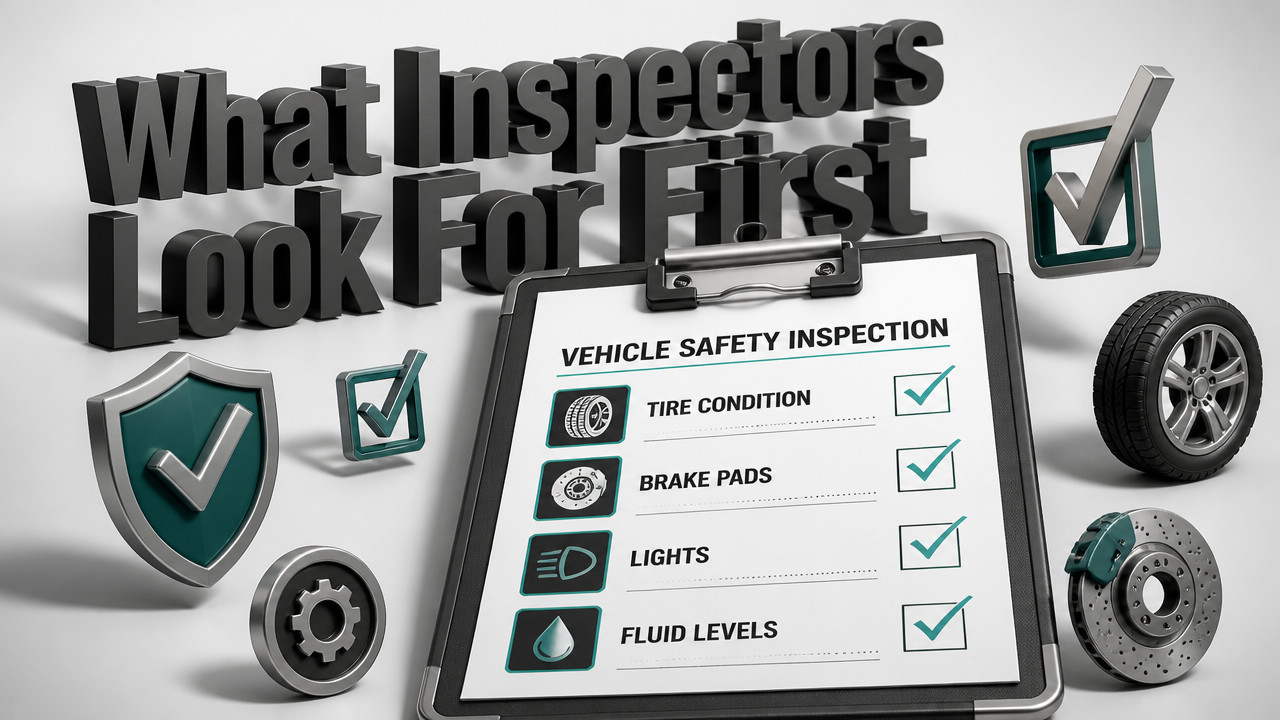
Vehicle Safety Inspection Checklist
A vehicle safety inspection checklist is the operational protocol that determines whether a unit can leave the yard this morning not yesterday's assumption sitting in a spreadsheet. For fleets of 10–60 vehicles, this checklist sits between the key hook and dispatch, recording ready, shop, or due status for every van, truck, and rental car. When two people mark the same vehicle differently at 06:00, the checklist becomes the single source that stops a unit already flagged for the shop from rolling out with a crew aboard.
Quick Answer: What Makes a Fleet Inspection Checklist Enforceable at 6 a.m.
An enforceable checklist removes opinion from the morning board. It uses three-state logic: ready, shop, or due. There is no "kind of ready" or "might be in the shop." The vehicle is either cleared for dispatch, flagged for repair, or approaching a service date. This clarity is what stops a van marked "shop" from leaving with a crew.
Spreadsheets fail because they allow simultaneous edits without reconciliation. Two people open the same file. The yard manager marks Unit 405 "in shop" at 06:02. Dispatch marks Unit 405 "ready" at 06:04 based on yesterday's row. Neither sees the other's edit until the file syncs often after the van has left. A proper fleet vehicle inspection form forces a single status per unit that updates in real time, visible to both yard and dispatch simultaneously.
| Status | Definition | Action Blocked |
|---|---|---|
| Ready | Passed inspection, cleared for dispatch | None unit may depart |
| Shop | Active repair or safety hold | Dispatch cannot assign crew |
| Due | Service or inspection within 7 days | May dispatch with reminder flag |

The live readiness board anchors the checklist outcome. When inspection completes, the status writes directly to the unit row. Dispatch sees the same row. No phone call, no WhatsApp thread, no version mismatch. The board replaces the argument about which file is current.
[Study] 72% of Preventable Fleet Incidents Trace to Missed Pre-Trip Items
Roadside inspections reveal the same failures year after year. Brake systems, tires, and lights top the violation list not obscure components, but items a proper pre-trip inspection checklist should catch before the unit leaves the yard. According to Heavyvehicleinspection, pre-trip inspections that follow a standardized protocol significantly reduce the likelihood of out-of-service violations and preventable incidents on the road. The data points to a gap between having a checklist and actually using it every morning.
When a commercial vehicle gets pulled over, the inspector runs through the same items the driver should have checked at 06:00. If the brake hoses are cracked or the tire tread is below minimum, that unit sits on the roadside until repairs happen. The cost isn't just the fine it's the crew sitting idle, the job delayed, and the shop scrambling to send a mechanic to a shoulder somewhere.
- Brake system defects (hoses, drums, adjustment)
- Tire tread depth below 4/32-inch on steer axle
- Lighting failures (headlights, taillights, turn signals)
- Steering mechanism play beyond tolerance
- Windshield and mirror obstructions
A daily vehicle safety check targets exactly these items. The checklist doesn't need to cover every bolt on the chassis. It needs to cover the components that show up in FMCSA inspection requirements the ones that will ground the unit if they fail at a roadside stop.
Brake Systems: The Line Item That Grounds 34% of Commercial Units
Brake violations account for the largest share of out-of-service orders. For air brakes, the pushrod travel must stay within the adjustment limits marked on the chamber. Hydraulic systems need adequate fluid level and firm pedal feel. If the pedal sinks to the floor or the air pressure drops below 60 psi before the protection valve kicks in, that unit stays parked.
For mixed fleets with light and medium duty units, inspection frequency matters. Light duty trucks on short routes might pass a weekly brake check. Medium duty units doing daily hauls need a visual brake line inspection every morning. The checklist item is simple: "Brakes pass/fail." But the eyes checking it need to know what a cracked hose or leaking wheel seal looks like.
Tire Tread, Pressure, and Sidewall: The 08:00 Blowout You Can See at 06:00
FMCSA sets the tread minimum at 4/32-inch for steer axles and 2/32-inch for all other tires. That's the federal floor. Smart fleets set their pull threshold higher 3/32-inch on drives to avoid the sideline replacement in the middle of a job. A tread depth gauge takes ten seconds per tire. Not checking costs a blowout at highway speed.
Pressure matters as much as tread. An underinflated tire runs hot. The sidewall flexes, the rubber degrades, and the tire fails miles from the yard. Digital pressure logs give you a number. Manual gauges work fine if the person using them writes it down. The variance between "feels fine" and 28 PSI is the difference between a normal shift and a roadside emergency.
Visual sidewall inspection catches bulges, cuts, and dry rot before the tire goes flat. A bulge means internal cord damage. Dry rot means the rubber is cracking from age and UV exposure. Both mean the tire is a time bomb. The checklist item: "Tires pass/fail/next action date."
How to Build a Daily Inspection Checklist That Survives WhatsApp Chaos
Start with the unit number, not the driver name. Drivers change. Units stay. A unit-centric design means the inspection record attaches to the truck or van, not to whoever happened to drive it today. When the same unit fails the same brake line check three months in a row, the pattern is visible regardless of who was behind the wheel.
Use a three-column format: item, pass/fail, next action date. "Brakes Fail Shop 06:45." That's the whole row. No paragraphs, no checkboxes that mean nothing. The pass/fail forces a decision. The next action date forces accountability. When the shop finishes the repair, they update the row to "Ready 06:52." Dispatch sees the change when they refresh the board.
- VIN or unit number (primary identifier)
- Inspection date and time
- Brake status (pass/fail)
- Tire condition (pass/fail)
- Lights and signals (pass/fail)
- Fluid levels (oil, coolant, brake fluid)
- Next service due date
The inspection outcome updates the contractor fleet morning board instantly. If the checklist says "Fail," the unit status flips to "Shop." Dispatch cannot assign that unit until the shop clears it. No phone call, no WhatsApp message that gets missed. The board is the single truth.
Pre-Trip vs. Post-Trip vs. Periodic: Which Checklist Runs When
Pre-trip inspections happen before every departure. The driver walks the unit, checks the items, and records pass/fail. This takes 10–15 minutes. It catches the tire that went flat overnight and the light that burned out on the last run. A proper pre-trip inspection checklist covers brakes, tires, lights, fluids, and steering enough to know the unit is safe to leave the yard.
Post-trip inspections happen at shift end. The driver notes damage discovered during the run, fluid levels that dropped, and any performance issues. This inspection feeds the shop queue for tomorrow. If a driver reports a brake noise at 17:00, the shop can fix it overnight instead of discovering it at 06:00 when the crew is waiting.
| Inspection Type | Frequency | Performed By | Flags |
|---|---|---|---|
| Pre-Trip | Every departure | Driver | Safety defects, immediate holds |
| Post-Trip | End of shift | Driver | Damage, consumables, next-day shop tickets |
| Periodic | Mileage or calendar trigger | Shop/Technician | Deferred maintenance, component wear |
Periodic inspections run on mileage or calendar triggers. These are shop-led, driver-optional. They catch the brake pads that are wearing thin but haven't failed yet, the belt with cracks that still grips, the coolant that tests marginal. A municipal fleet inspection board tracks these periodic due dates alongside daily status so the unit doesn't miss a scheduled service because no one remembered.
[Analysis] Why Paper Checklists Still Outnumber Digital in 10–60 Vehicle Yards
Walk into most small fleet yards in 2026 and you'll see a clipboard by the key hook. Paper still dominates. The reasons are practical: no Wi-Fi at the fuel island, no tablet budget for the yard staff, and no patience for software that takes longer to set up than the inspection itself. Paper works. You write it down, you hand it to the shop, you move on.
But paper has a fatal flaw: it doesn't update the dispatch board. The driver fills out the checklist, flags a brake issue, and hands the paper to the shop. The mechanic fixes it. Meanwhile, dispatch sees the unit as "Ready" in the spreadsheet because the spreadsheet never got updated. The van leaves. The problem isn't the inspection it's the gap between the paper and the board.
Digital checklists close that gap. But the barrier has been setup complexity and contract lock-in. Small fleet operators fear the ERP-style implementation that takes weeks and requires a consultant. They've been burned by GPS contracts that locked them in for three years. The threshold for adoption is 15 minutes. If the tool takes longer to learn than a coffee break, it stays on the shelf.
According to Autocare, thorough pre-trip inspections target specific mechanical components before vehicles hit the road which is exactly where small fleet operators need help: a checklist that captures the inspection and updates the board without a database project or a multi-year commitment.
Pricing matters too. When the cost is $2.99 per vehicle pricing with no GPS requirement and no annual contract, the risk of trying digital drops to near zero. Paper doesn't cost money, but it costs time and errors. A digital checklist that updates the readiness board in real time pays for itself the first time it stops a shop-flagged unit from rolling out.
Inspection Checklist Items Required by FMCSA and State DOT [2026]
The federal baseline for commercial vehicle inspection covers the safety-critical systems: brakes, steering, lights, tires, windshield, horn, and mirrors. These are the items a DOT inspector will check at a roadside stop. If any fail, the unit is out of service until repaired. A DOT inspection checklist that misses these items isn't worth the paper it's printed on.
- Brake systems: air or hydraulic, all components including hoses, chambers, drums, and adjustment.
- Steering mechanism: play within tolerance, no missing parts, secure connections.
- Lights and reflectors: headlights, taillights, turn signals, brake lights, clearance lights.
- Tires and wheels: tread depth, inflation, sidewall condition, rim integrity.
- Windshield and glazing: no cracks in driver's line of sight, functional wipers.
- Horn: audible from 200 feet.
- Mirrors: properly adjusted, no cracks, secure mounting.
- Fuel system: no leaks, secure caps, proper tank mounting.
States add their own requirements. California and New York require emissions testing. Rust belt states require undercarriage inspection for corrosion affecting structural integrity. Rental fleets have exemptions from some commercial requirements, but they still need to inspect safety items before handing a car to a customer. The rental fleet readiness tracking captures inspection status regardless of regulatory category.
For municipal fleets, exemptions vary by jurisdiction. A city dump truck might not need a CDL-level inspection, but it still needs working brakes before it leaves the yard. The checklist adapts to the regulatory tier while keeping the same unit status structure.
How Small Fleets Close the Loop: Checklist to Shop to Dispatch in One Row
The inspection checklist is the input. The readiness board is the output. When the driver marks "Brake Fail," that status writes directly to the unit row. No separate log, no email to the shop, no phone call to dispatch. The unit status flips to "Shop" and stays there until the mechanic clears it.
Shop tickets live on the unit card. The mechanic sees the inspection date, the failed item, and can add a repair note. Dispatch sees the same card: "Shop Brake lines Est. repair 07:30." When the repair finishes, the mechanic updates status to "Ready." The unit reappears as available for assignment.
This loop checklist to shop to dispatch in one row eliminates the WhatsApp thread that says one thing while the spreadsheet says another. The unit card is the single source. The trades fleet shop management approach keeps maintenance inspection protocol and dispatch readiness in the same view.
Key Takeaways
- Three states only: ready, shop, due no mid-status confusion, no spreadsheet version conflicts.
- Unit ID first: inspection attaches to the truck, not the driver, building a service history per unit.
- Brakes and tires: top FMCSA out-of-service violations, first items on a meaningful checklist.
- Instant board update: digital checklist outcome writes to readiness board, blocking shop-flagged units from dispatch.
- No contract lock: inspection tools that take 15 minutes to learn and cost per vehicle without multi-year commitment see higher adoption.
The shuttle fleet inspection protocols that work for 60-unit operations work the same for 10. The scale doesn't change the logic. One row per vehicle. Three states. Real-time visibility. The checklist protects the crew, the unit, and the schedule.
Frequently Asked Questions
- Is a vehicle safety inspection checklist the same as GPS tracking?
- No. GPS tells you where the unit is located. The checklist tells you whether it is cleared to leave. A unit can be parked in the lot but flagged "Shop" for brake repair. GPS shows the location. The landscaping fleet morning dispatch board shows the status.
- Do paper checklists still work for small fleets?
- Yes, but with gaps. Paper captures the inspection but doesn't update the dispatch board automatically. A driver flags a brake issue on paper, hands it to the shop, and dispatch never sees it. Digital checklists close that loop by writing status directly to the unit row.
- Who performs the daily vehicle safety check?
- The driver, before departure. Pre-trip inspections are driver-led. The driver walks the unit, checks brakes, tires, lights, and fluids, and records pass/fail. Post-trip inspections are also driver-led but focus on damage discovered during the run. Periodic inspections are shop-led.
- How often should a fleet vehicle inspection form be completed?
- Every departure for pre-trip, every shift end for post-trip. Periodic inspections run on mileage or calendar triggers typically every 10,000 miles or quarterly for routine service intervals.
- What fails most often in FMCSA inspection requirements?
- Brake systems. Brake defects account for over a third of out-of-service violations. Tires, lights, and steering follow. These are the same items a proper pre-trip inspection checklist should catch before the unit leaves the yard.
- Can a digital checklist integrate with our existing spreadsheet?
- It replaces the spreadsheet. The readiness board does what the spreadsheet did track unit status but in real time with a single source of truth. Export features exist for reporting, but the operational record lives in the board, not in a file that two people can edit differently.
Tue Sep 29 · Josh B