Vehicles Manager
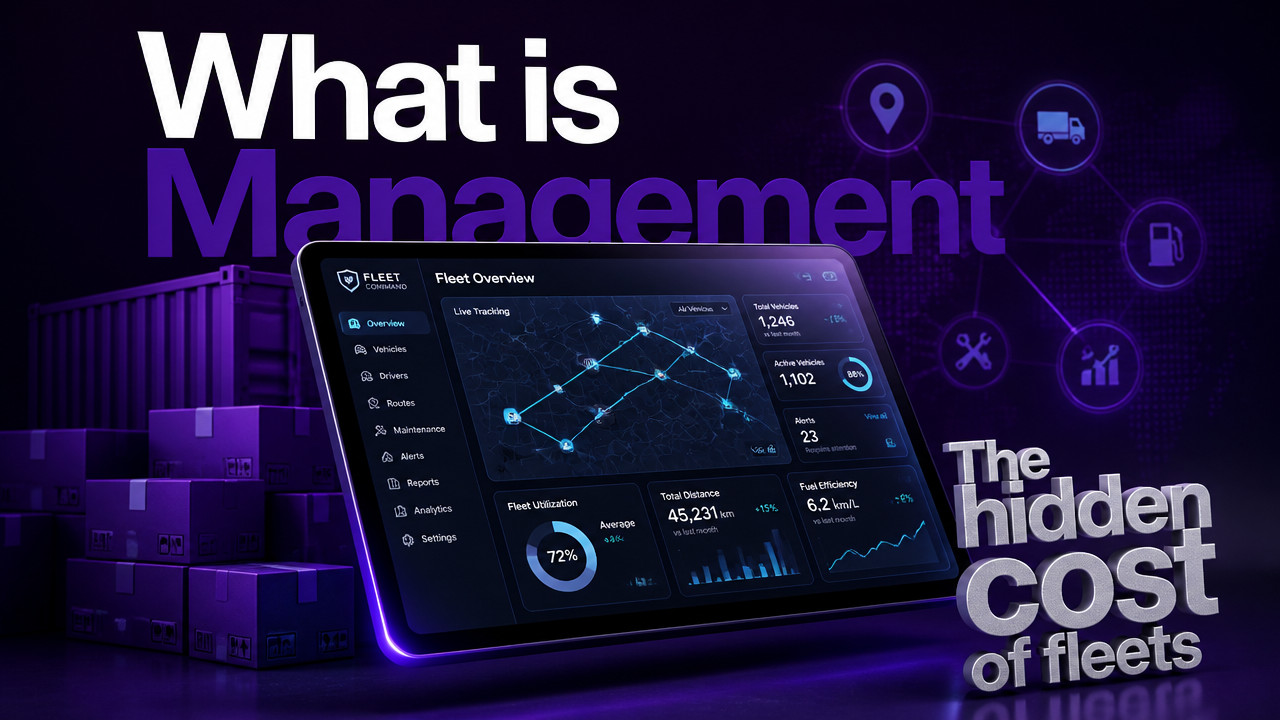
What is Fleet Management
Fleet management is the practice of coordinating vehicles, maintenance, and operational readiness to ensure every unit leaves the yard fit for work. For small operators running 10–60 vehicles, it replaces the chaos of spreadsheets and WhatsApp threads with a single source of truth. The goal is not tracking location it is knowing which van is ready, which is in the shop, and which inspection is due before dispatch sends the wrong vehicle at 6 a.m.
Quick Answer: The Core Function of Fleet Management
Fleet management, at its core for the small yard, is not about dots on a map. It is about operational readiness. When a driver walks out at 06:15, the question is not "Where is the van?" The question is "Is this van allowed to leave?" Traditional tracking tells you the vehicle is parked on lot B. It does not tell you the transmission was replaced yesterday and the mechanic has not signed off on it.
This distinction matters because small fleet operators often confuse vehicle fleet management with surveillance. GPS has its place for large logistics companies with dispatch desks, but for a contractor or rental yard, tracking location is secondary to tracking status. A vehicle readiness board answers the only question that matters at dispatch: can this unit work today?

The real pain point in small fleets is not theft or route optimization. It is the 06:00 breakdown where the yard manager and the shop lead have different versions of the truth. One thinks the van is ready. The other marked it for service. Dispatch sends it anyway. That is a coordination failure, not a tracking failure. A proper operational readiness boards setup eliminates that gap by replacing the spreadsheet with a single, live status that everyone can see and trust.
Why Small Fleets Fail Without a Unified Board
The morning dispatch in a 20-unit yard usually runs on a spreadsheet saved to a desktop and a WhatsApp group with 12 participants. The yard manager updates the sheet at 05:45. The mechanic posts in the chat at 06:00 that the brake line on unit 14 is being replaced. Dispatch, looking at the saved sheet from last night, puts unit 14 on the schedule. By 07:30, the customer is waiting and unit 14 is still on the hoist.
This is the spreadsheet breakdown. It happens because the sheet and the chat do not match. Small fleet coordination relies on one person remembering to check two places, or one person calling another person who is not awake yet. Fleet operations should not depend on a phone call to confirm if a vehicle is in the shop.
| Feature | Spreadsheet Method | Live Readiness Board |
|---|---|---|
| Visibility | Last saved file version | Real-time status updates |
| Conflict Resolution | Phone calls or guesswork | Single source of truth |
| Dispatch Accuracy | Prone to stale data | Only ready units visible |
The human coordination failure is the real culprit. When the person who owns the spreadsheet is out sick, nobody knows the status. When the WhatsApp thread scrolls past 50 messages overnight, the shop flag gets missed. This is why shuttle fleet operators and small contractors lose hours every week to status confusion chasing down drivers and mechanics to ask questions a board should answer automatically.
The Three States Every Vehicle Must Show [2026 Data]
A small yard does not need 47 status codes or a drop-down menu with "pending parts," "waiting on authorization," and "in detail." Small fleet status management needs three states: Ready, Shop, and Next Service. Anything more creates clutter. Anything less creates ambiguity.
- Ready: The vehicle passed inspection, has fuel, and is cleared for work. It can be dispatched without checking with anyone.
- Shop: The vehicle has a mechanical issue, is in for scheduled service, or is otherwise not available. Dispatch cannot assign it.
- Next Service: The vehicle is running now but has an oil change, inspection sticker, or registration due soon. This is a planning flag for the shop.
This model works for rental lots and contractor yards because it matches how they think. The booking calendar says "unit 8 is reserved." The board says "unit 8 is in the shop." The board wins. In 2026, telematics adoption is high, but operators are realizing that visibility without coordination is just expensive noise. According to Gitnux, telematics adoption has reached 83% of fleets, reducing fuel consumption by measurable margins, yet dispatch mistakes still happen because location data does not equal operational permission.
The fleet maintenance tracking problem is not knowing when the next service is due. The problem is knowing it at 05:55 when the driver is already walking to the van. A board that shows Next Service as a visible status means the yard manager sees it before the keys leave the hook. That is the difference between a planned service day and a breakdown on the side of the road.
For rental fleet boards, this three-state model prevents the most costly mistake: handing a customer the keys to a car that the shop has flagged for repair. The booking system does not know. The key hook does not know. Only the board knows.
How Fleet Management Stops the 6 a.m. Dispatch Mistake
The morning dispatch workflow in a functional small fleet looks different than the spreadsheet chaos. The yard manager logs in at 05:45. The board shows every unit in the fleet. Units marked Ready are green and visible to dispatch. Units marked Shop are red and blocked. Units flagged Next Service show a countdown.
At 06:00, dispatch does not call the mechanic. Dispatch checks the board. If unit 7 says Shop, unit 7 does not get assigned. The mechanic does not have to remember to post in the group chat or update the sheet. The mechanic marks it Shop on the board, and dispatch sees it instantly. This is how small fleet coordination should work status is visible before the argument starts.
The contrast with GPS platform data is sharp. A GPS system shows unit 7 is parked on the lot. A GPS cannot tell you the alternator is removed. It cannot tell you the inspection sticker expired yesterday. GPS answers "where." A readiness board answers "whether." moving company fleets and trade contractors reliably lose hours every week because dispatch sends a vehicle that location data says is present, but operational data says is broken.
What Fleet Management Is Not: GPS, ERP, and Multi-Year Contracts
Small operators often assume fleet vehicle tracking is the same as fleet management. It is not. GPS requires hardware installation, a data plan, and usually a contract that runs two or three years. The setup takes weeks. The cost is per device, not per vehicle managed. And after all that, you still do not know if the van is cleared for today's route.
An ERP system is the other common confusion. Large enterprises use ERP to integrate fleet data with HR, finance, and supply chain. A small yard does not need that complexity. ERP setup is a database project that takes months and costs thousands. What most 10–60 unit fleets need is a board that shows status, not an ERP that generates compliance reports.
According to Fleetio, fleet management for performance optimization and cost-efficiency doesn't have to mean hardware complexity. The key is matching the solution to the operation's actual needs.
| System Type | Cost Model | Setup Time | Use Case |
|---|---|---|---|
| Fleet Management Board | $2.99 per vehicle, no hardware | 15 minutes, no install | Status coordination for small fleets |
| GPS Platform | Device cost + monthly fee + contract | 1–3 weeks for hardware install | Location tracking for logistics |
| ERP System | License + implementation fee | Months of configuration | Enterprise integration |
The contract lock-in fear is real. Operators say "we are locked in a three-year GPS contract and cannot wait to get out." That is why transparent per-vehicle pricing without long-term commitments matters. You should be able to cancel by deleting the board. No boxes to return. No early termination fees.
How to Set Up a Fleet Management Board in 15 Minutes
Setting up a maintenance scheduling and status board should not require an IT consultant. The process is designed for a yard manager with a phone and a list of unit numbers.
- Add your vehicles: Type in unit numbers or import a list. No VINs, no license plates, no registration data required just to start.
- Assign initial statuses: Walk the lot. Mark each unit Ready or Shop based on what you see today.
- Grant branch access: Give the shop lead permission to update status. Give dispatch read-only access to see the board. No training required.
- Set service flags: For units with upcoming oil changes or inspections, flag Next Service with the due date.
- Go live: The board is now your morning check. Close the spreadsheet. Archive the WhatsApp thread. The single source of truth is running.
The yard manager and the shop each control their own rows. When a mechanic finishes a repair, they mark the unit Ready. When the yard manager sees a unit flagged Next Service, they schedule the shop visit. contractor fleet coordination works the same way each branch sees only its own vehicles, and the owner sees the entire operation.
Fleet Management for Specialized Operations [Study]
Different fleet types use the board differently. Municipal fleets with 40 units spread across three departments need branch-level visibility. The parks department does not need to see the status of the public works trucks. The board restricts visibility so each department manages its own rows, while the director sees the aggregate.
Landscaping fleets often have seasonal surges. In spring, every truck runs daily. In winter, half the fleet sits. The board shows which units are active and which are in storage. Maintenance is scheduled before the spring rush, not during it.
According to Intellishift, operational efficiency gains from coordinated fleet management are substantial, with telematics reducing fuel consumption by measurable margins and improving overall fleet utilization. Trade fleets electricians, plumbers, HVAC use the board to track vans that double as mobile warehouses. If unit 12 is in the shop, the parts on that van are not available. Dispatch needs to know that before promising an arrival time.
Multi-yard coordination is another advantage. A rental company with two lots can run one board. The manager at lot A sees lot A's units. The manager at lot B sees lot B's units. The owner sees both. When a customer shows up at lot A and the only van ready is at lot B, the decision is informed, not guessed. municipal fleet boards function similarly, with department-level permissions replacing yard-level ones.
Key Takeaways
- Unified status: A fleet management board replaces spreadsheet chaos with a single, live view of Ready, Shop, and Next Service for every unit.
- No GPS bloat: Operational readiness is not tracking location it is knowing which vehicle is cleared for work before dispatch sends it.
- Plain pricing: $2.99 per vehicle, no hardware, no multi-year contract, and no card required to start.
- Human coordination: The board removes the dependency on one person's memory and one phone call to confirm status.
landscaping fleet management and other specialized operations rely on the same core principle: visibility before dispatch. The spreadsheet fails because it is static. The WhatsApp thread fails because it is unstructured. A readiness board works because it is live, limited to what matters, and accessible to everyone who needs it.
Frequently Asked Questions
Do I need GPS tracking to use a fleet management board?
No. A fleet management board coordinates operational status Ready, Shop, Next Service without any hardware or tracking devices. GPS tells you where a vehicle is. The board tells you if it can leave. Small operators often find that status visibility solves more problems than location tracking.
Is there a long-term contract required?
No. Pricing is month-to-month at $2.99 per vehicle after the first free month, with no annual commitment. Many operators coming off three-year GPS contracts specifically seek this flexibility. You can cancel by deleting the board no boxes to return and no early termination fees.
How long does setup take?
About 15 minutes. Adding vehicles requires only unit numbers, not VINs or registration data. Granting access to the shop and dispatch takes a few clicks. The system is designed for yard managers, not IT staff. No training is required.
How does pricing work for multi-yard operations?
Per vehicle, not per yard or per user. A 20-unit fleet with two yards pays for 20 vehicles. Branch-level permissions let each yard see its own rows while the owner sees the aggregate. There are no per-user fees or branch surcharges.
Who owns the data in the fleet management board?
You do. Status history and vehicle records belong to your operation. You can export data at any time. The board is a coordination tool, not a data lock-in play. trade fleet readiness and other specialized operations retain full control over their records.
Fri Oct 16 · Editorial Team